
Hanakoi was born from the need to give love a tangible form and to gently push people to slow down.
It invites them to contemplate the idea of love itself and, when it is present, to pause and recognise the love they feel for their partner.
Bachelor’s thesis project in Industrial Design, developed under the supervision of Mario Trimarchi.
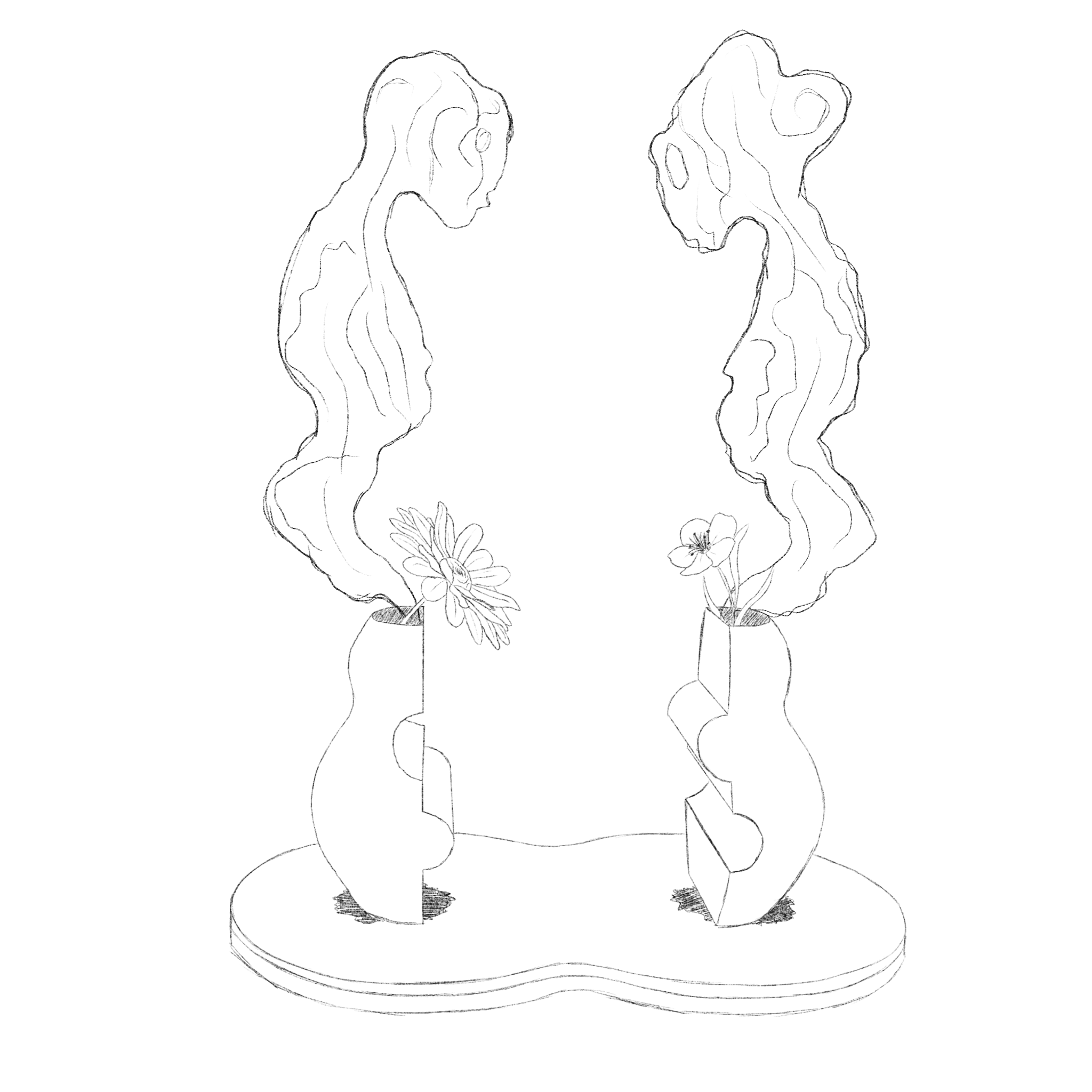
Hanakoi grows out of a long reflection on love as a paradoxical, powerful force that connects rational and irrational parts of ourselves, as described by thinkers like Jung and Galimberti. It resonates with Plato’s myth of the androgynous being: we are incomplete halves, constantly searching for the other part that makes us feel whole.
This idea of connection appears again in quantum entanglement, in the way two particles remain inseparable even when far apart, just as two people in an intimate relationship influence and understand each other beyond words. The project also echoes the Japanese concept of ichigo ichie, treating each encounter and each shared moment as unique, fragile and worth full attention.
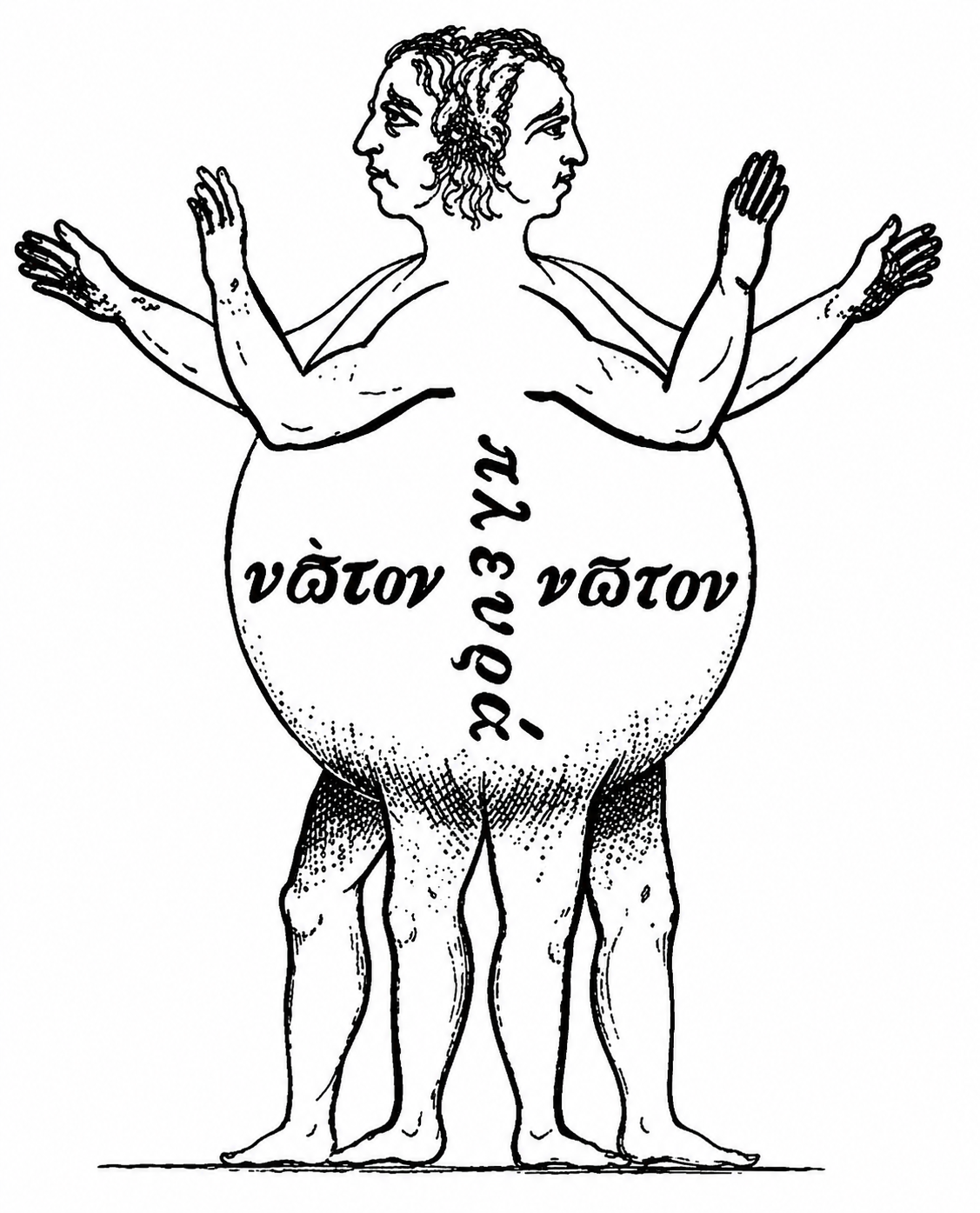
Hanakoi is inspired by a broad constellation of references: Jung’s idea of love as a paradoxical force we can’t fully grasp, Plato’s image of two halves longing to become whole again, and the Japanese philosophy of ichigo ichie, which treats every shared moment as unique and unrepeatable. These ideas converge in a domestic object that turns abstract reflections on connection, vulnerability and time into a slow, tangible ritual between two people.
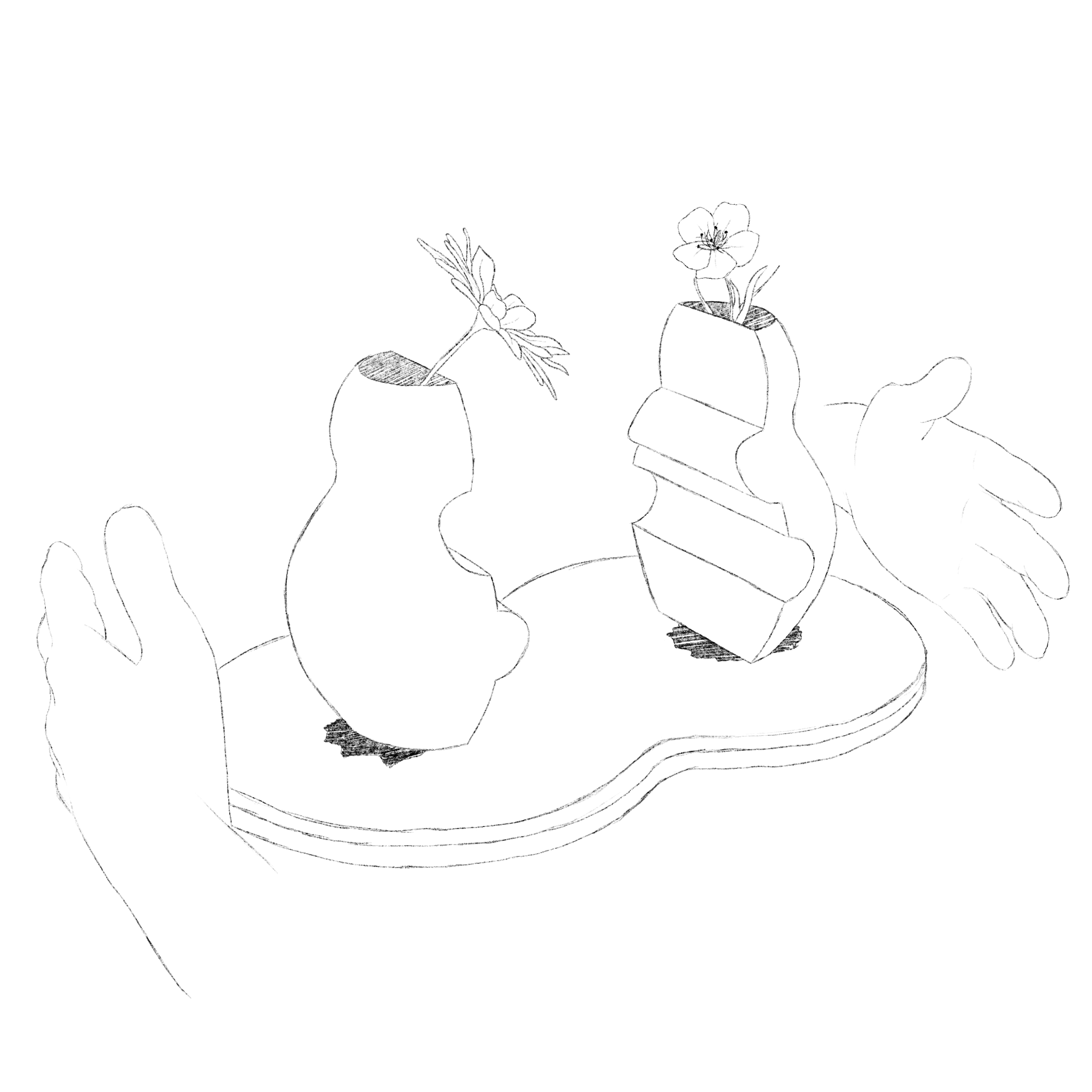
The two vases rest on a shared base and “search” for each other through a slow, choreographed movement that the user activates by bringing their hands close to the sides of the base. As the proximity sensors detect the presence of the hands, the vases gradually move towards each other, recalling the long journey of Marina and Ulay meeting again on the Great Wall of China.
Under the vases, ferrofluid follows their motion and represents the souls of the two lovers: when the vases finally meet, the fluid intertwines, visually embodying the moment when two inner worlds touch and merge.
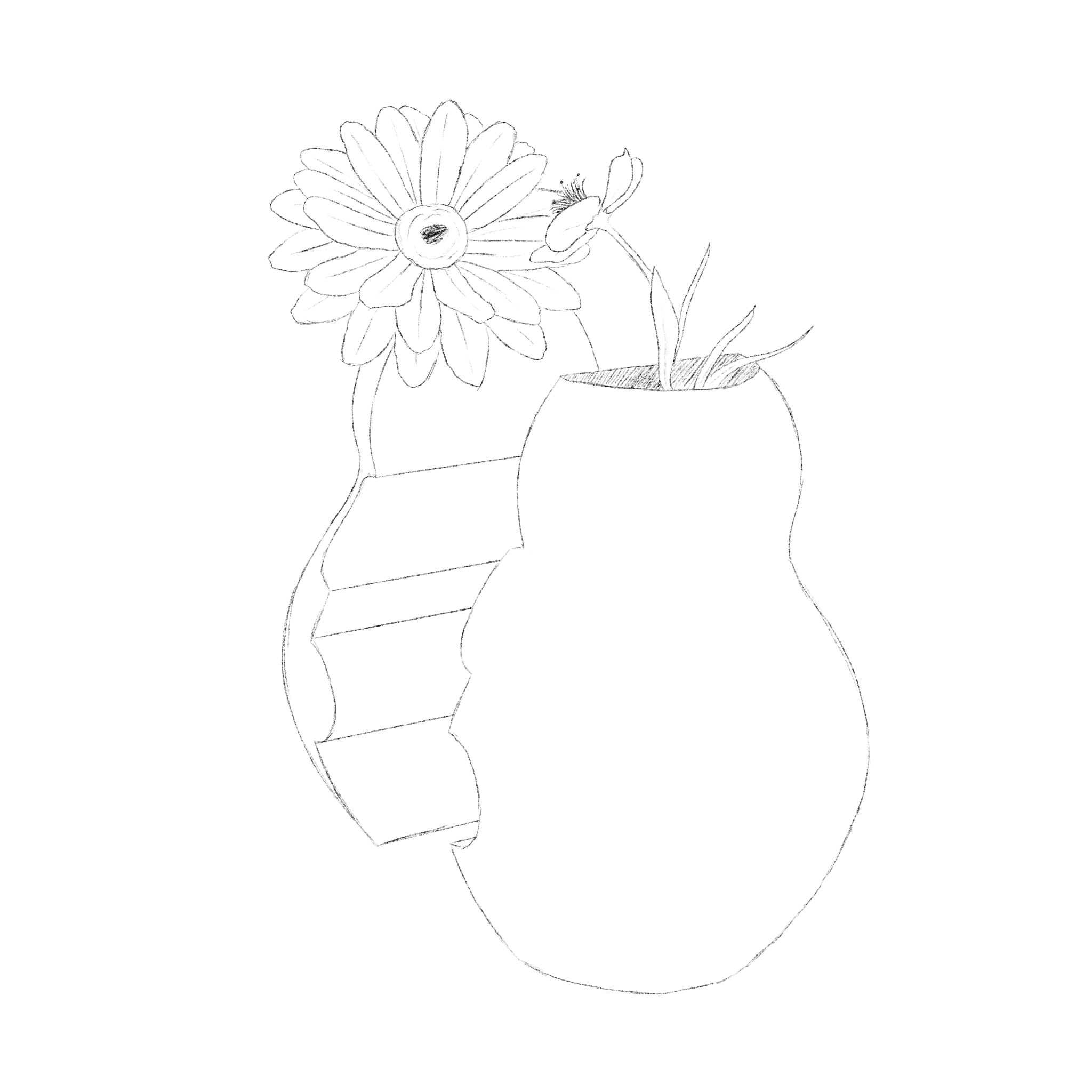
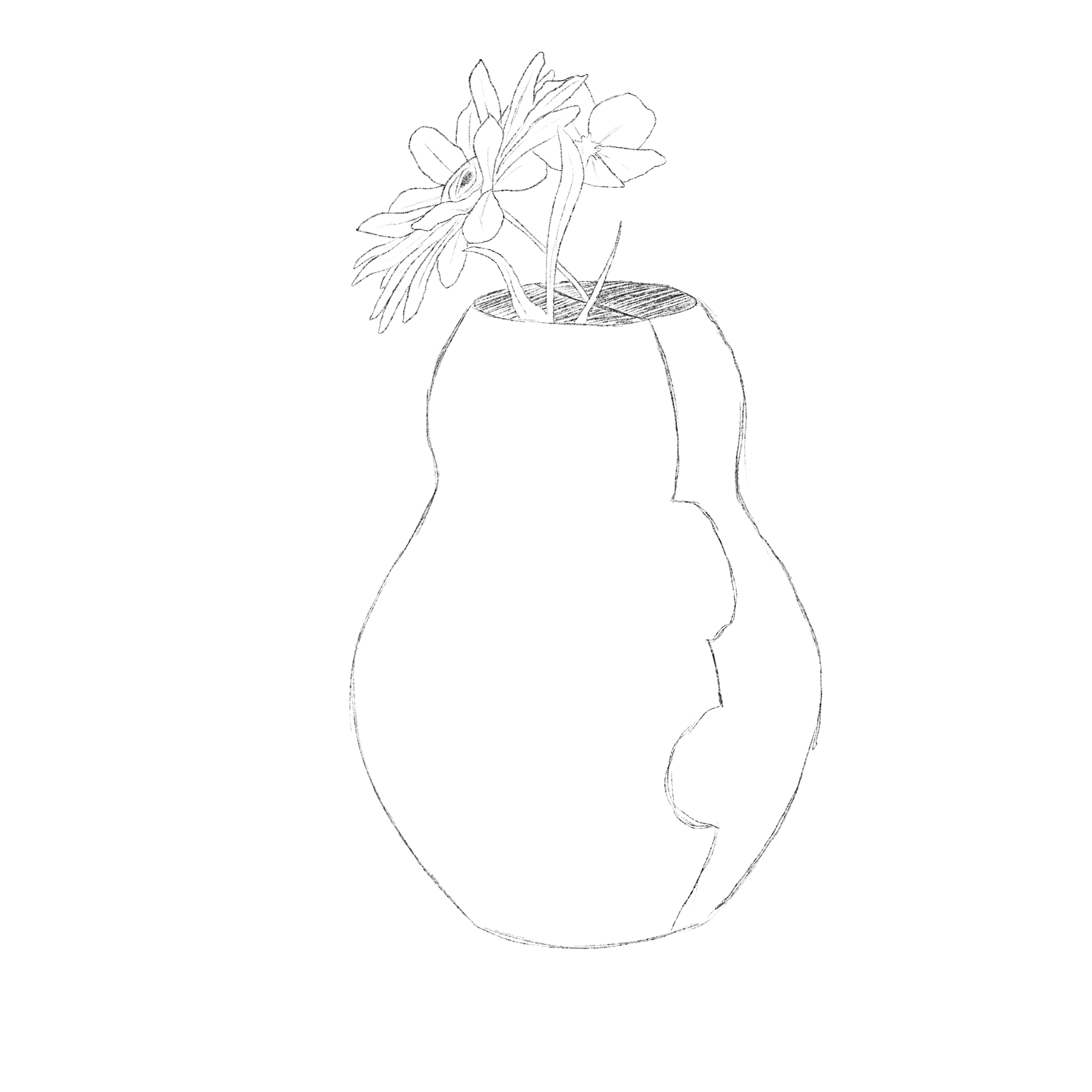
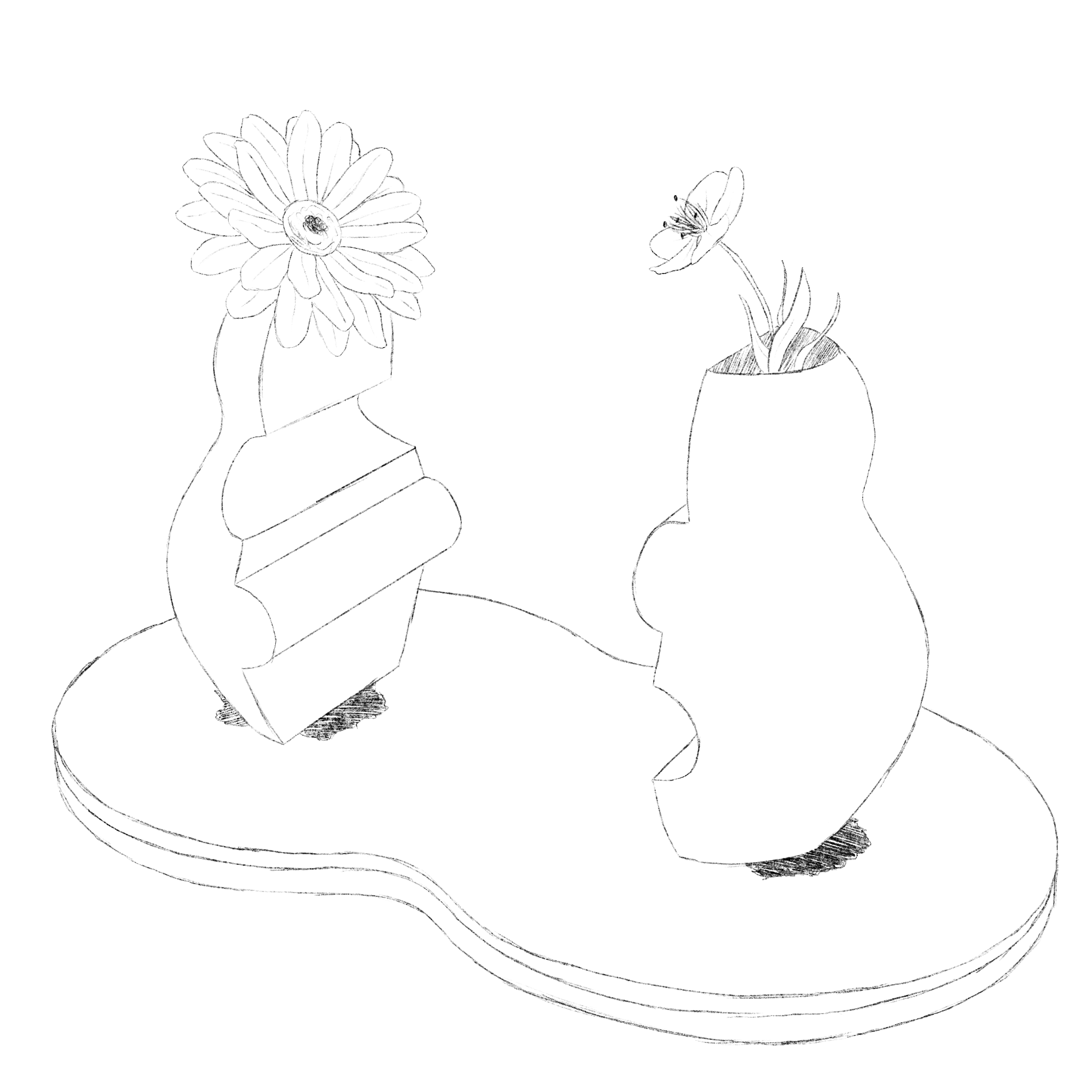
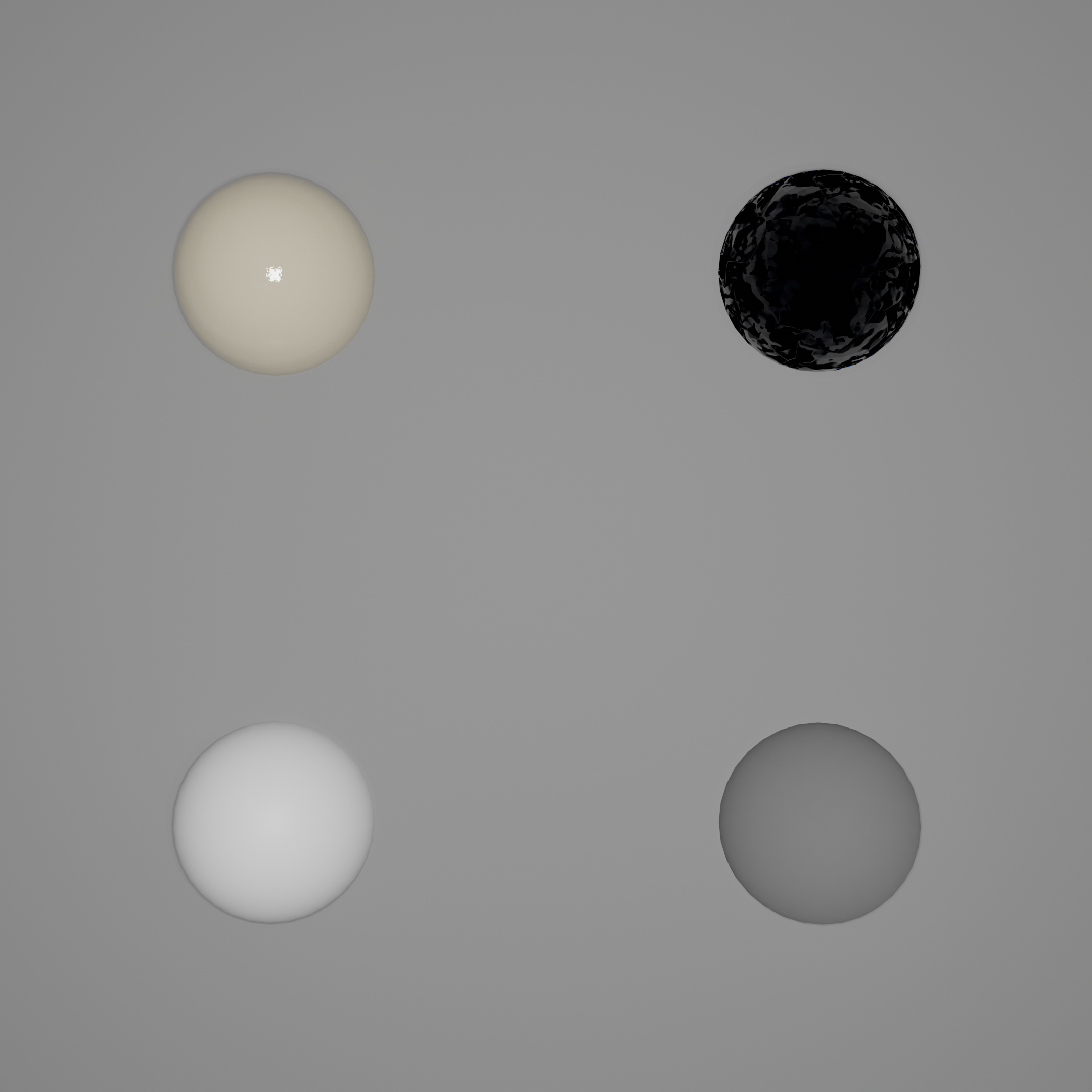
The vases are made of glazed ceramic, chosen to express the fragility of human beings while the white colour evokes the purity of the feeling. The base is made of opaque and transparent white ABS, a material that allows smooth sliding, resists water and, in its transparent part, reveals the ferrofluid while symbolising the transparency needed in love and the ability to “look inside” each other beyond the surface. The dark ferrofluid, in contrast with the white ceramic, stands for the imperfection and impurity that are inevitably part of every human soul.
HERE you can find the full thesis in Italian. (Translation coming soon)